Direct answer: when is surgery considered?
Tympanoplasty may be considered when an eardrum perforation persists, infections recur or hearing is affected. Ear examination and hearing tests guide the decision. The goals are to repair the eardrum, reduce infection risk and, where possible, improve hearing. Results are not guaranteed. Keeping the ear dry, attending follow-up and responding promptly to warning signs are important after surgery. [2,4]
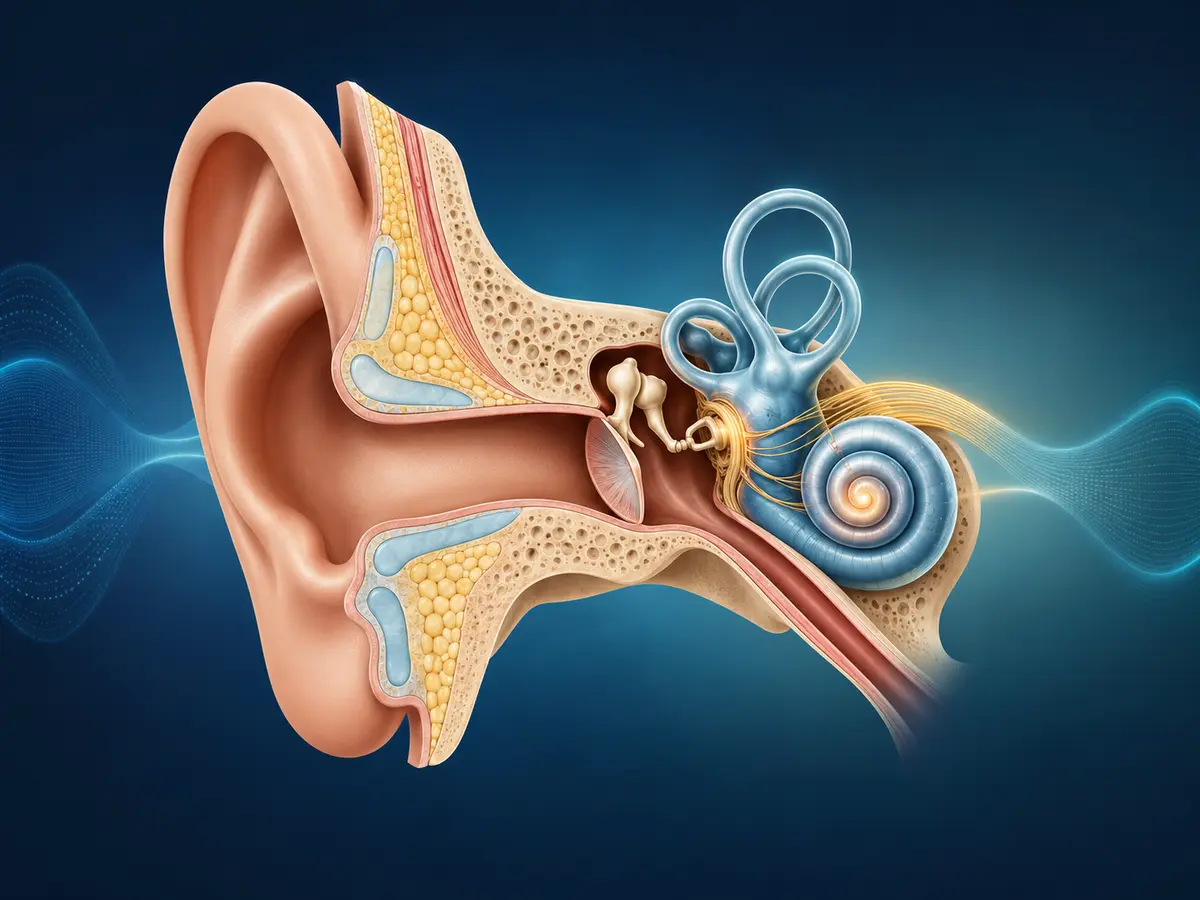
What is tympanoplasty, and why does the eardrum tear?
Myringoplasty repairs the eardrum; tympanoplasty may also reconstruct middle-ear hearing bones. Infection, injury, loud noise or pressure changes can cause a perforation. [1,3]
What symptoms might occur?
Ear discharge, reduced hearing, pain, tinnitus or dizziness may occur. Examination is needed to identify the cause. [1]
Does every perforation need surgery?
No. Recent perforations may heal spontaneously. Observation, water protection and treatment of infection may be appropriate. Avoid unprescribed oil or eardrops. Hearing aids are another option for selected patients. [1,2]
What assessment is needed beforehand?
Assessment includes both ears, the perforation, discharge, middle-ear findings and hearing tests. Discuss previous surgery, health conditions and all medicines. Understand the proposed benefits, limitations, alternatives and follow-up before consenting. [2,3]
What happens during surgery?
A tissue or cartilage graft repairs the eardrum. Approach, anaesthesia and additional work vary; discharge may be same-day or require observation. [3]
How should the ear be cared for at home?
Keep it dry; do not pull packing out. Avoid forceful nose blowing and sneeze with your mouth open. Follow your surgeon's instructions for swimming, flying, exercise, work and follow-up. [4]
What problems or risks should you understand?
Possible problems include discomfort, slight blood-stained discharge, graft failure, infection, taste changes, tinnitus, dizziness, worsened hearing and rare facial-nerve injury. [3]
Which warning signs need help?
When should you go to emergency care?
Go now for heavy uncontrolled bleeding or breathing difficulty.
When should you contact the operating team immediately?
Report new facial weakness, severe vertigo, rapidly worsening hearing, increasing pain, fever or heavy/foul discharge. If the team is unavailable, seek urgent hospital assessment. [1,4]
What would I discuss with patients in Bangladesh?
I would ask patients to describe their main priority: fewer episodes of discharge, better hearing or easier daily activities. Before discharge, I would discuss practical plans for hair washing, ablution, travel and returning to work. Patients should be able to explain who will check their packing, where follow-up will happen and which hospital to contact if problems develop.
What are the key takeaways?
Surgery is individualized; outcomes vary. Preparation, aftercare and follow-up matter.
What else do patients often ask?
Does a hole mean immediate surgery?+
No; healing potential and the ear's condition matter. [1]
Will hearing fully recover?+
Not necessarily; middle-ear damage also influences the result. [3]
When can I fly?+
After surgery, obtain your surgeon's clearance; timing varies. [4]
see ear care services or call Dr. Siddique. Do not wait for an appointment when emergency signs are present.
Related ENT services
Ear conditions and hearing careAssessment of ear infection, discharge, wax and hearing difficulty, with hearing tests, childhood speech-delay assessment and rehabilitation planning.→Hearing TestsAge- and symptom-appropriate tests help identify the type and degree of hearing loss.→Hearing AidsHearing-aid selection and follow-up based on reliable testing, individual needs, budget and listening environments.→This article provides patient education. It does not replace individual diagnosis, prescribing, informed-consent discussion or the operating team's discharge instructions.