In this article
- It may affect one or both sides
- The inner ear may still function
- Early hearing assessment is essential
Assessment and treatment
- Infant/child hearing tests
- Selected bone-conduction hearing support
- Multidisciplinary reconstruction or prosthesis planning
At a glance
Definition: Microtia means the outer ear is small or incompletely formed; the ear canal and hearing may also be affected.
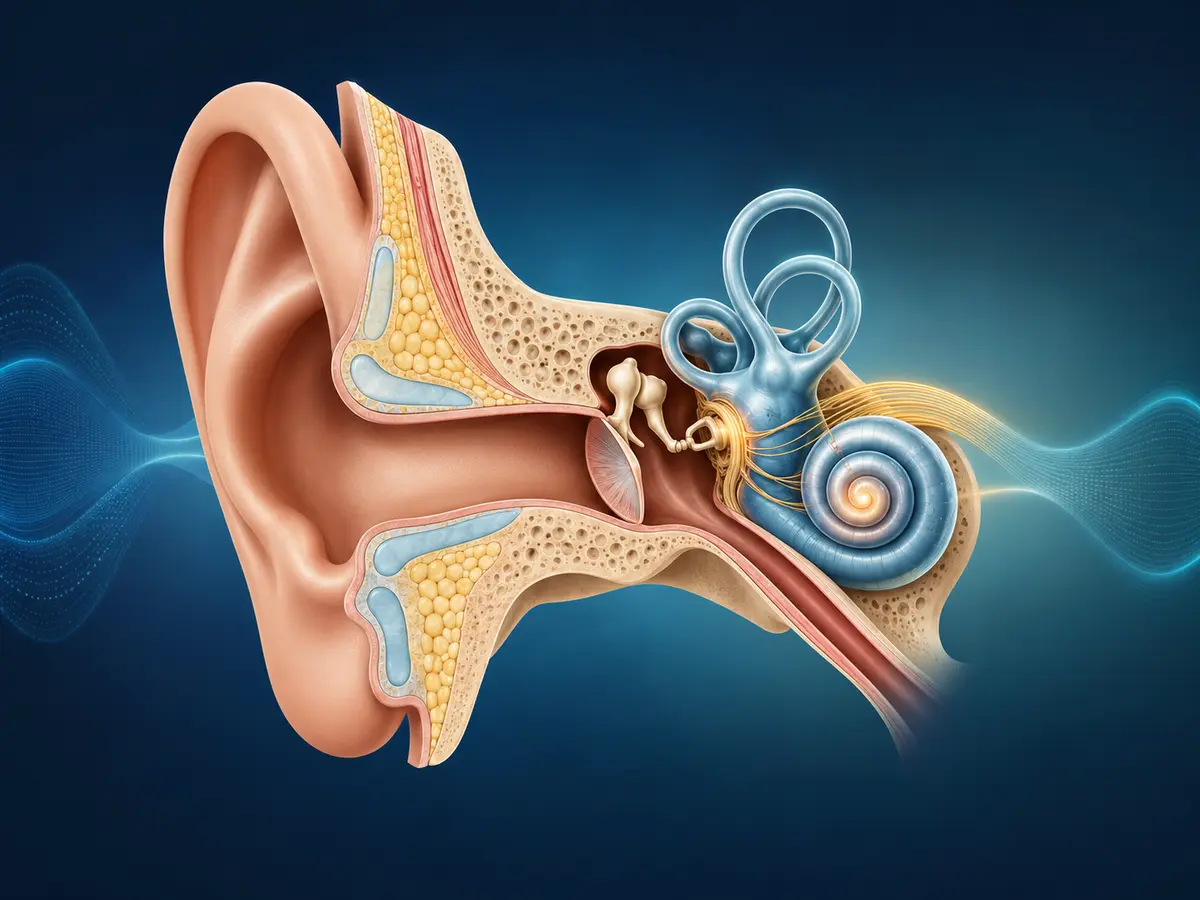
Key takeaways
- It may affect one or both sides
- The inner ear may still function
- Early hearing assessment is essential
Clinical steps
- Infant/child hearing tests
- Selected bone-conduction hearing support
- Multidisciplinary reconstruction or prosthesis planning
Red flags: Bilateral microtia or poor response to sound needs prompt paediatric audiology/ENT assessment.
Quick FAQ: When should I see an ENT specialist?
Bilateral microtia or poor response to sound needs prompt paediatric audiology/ENT assessment.
How I assess this in clinic
I first clarify duration, severity, whether symptoms are one-sided or bilateral, and their effect on daily life. I then perform a focused ENT examination and compare the findings with it may affect one or both sides.
Endoscopy or audiometry is not required for everyone. I advise endoscopy when the nose, sinus, throat or voice box needs direct assessment, and audiometry/tympanometry when hearing or middle-ear function is in question.
A common misconception is that every ENT problem needs an antibiotic or an operation. Treatment should instead follow the diagnosis, functional impact, examination findings and evidence-based indications.
Do not wait when: Bilateral microtia or poor response to sound needs prompt paediatric audiology/ENT assessment.
For patient education; not a substitute for individual diagnosis or treatment.